Elements & Principles of Art
To be a great artist you must begin with the basics. Every great artist started as an amateur and they learned the principles and elements of design first. Below I have attached what I would like to refer to as Art School Day One. First let us get acquainted with the elements.
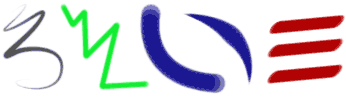
Line
Line is the path of a point moving through space.

Shape / Form
Shape implies spatial form and is usually perceived as two-dimensional. Form has depth, length, and width and resides in space. It is perceived as three-dimensional.
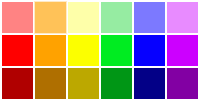
Color
Colors all come from the three primaries and black and white.

Value
Value refers to relative lightness and darkness and is perceived in terms of varying levels of contrast.
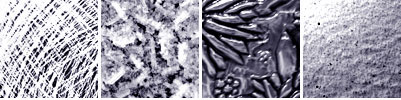
Texture
Texture refers to the tactile qualities of a surface (actual) or to the visual representation of such surface qualities (implied).
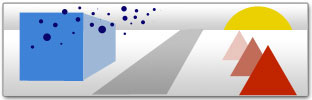
Space / Perspective
Space refers to the area in which art is organized. Perspective is representing a volume of space or a 3-dimensional object on a flat surface.
Now that we have been refreshed or introduced to the elements let us dive into the Principles of art. The masters of art have all of the elements and all or most of the principles in their works.
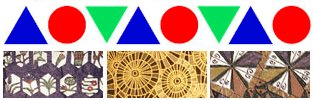
Pattern
Pattern refers to the repetition of a design element, exact or varied, which establishes a visual beat.
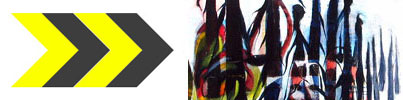
Rhythm / Movement
Rhythm or movement refers to the suggestion of motion through the use of various elements.
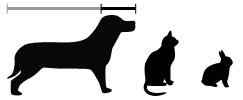
Proportion / Scale
Proportion is the size relationship of parts to a whole and to one another. Scale refers to relating size to a constant, such as a human body.
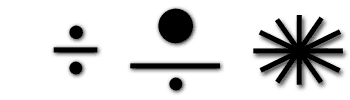
Balance
Balance is the impression of equilibrium.
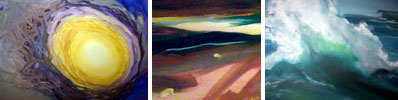
Unity
Unity is achieved when the components of a work of art are perceived as harmonious, giving the work a sense of completion.
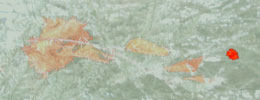
Emphasis
Emphasis refers to the created center of interest, the place in an artwork where your eye first lands.

Excellent content Chancelor! A few graphic elements would have been nice, but well done!
ReplyDelete